
In today’s competitive business environment, inventory is one of the biggest assets for many companies. Whether you run a manufacturing unit, retail business, warehouse, pharma company, ecommerce brand, or FMCG business, maintaining accurate stock records is very important. This is where Inventory Verification Services in India become essential.
Many Indian businesses face issues like stock mismatch, dead inventory, theft, accounting errors, damaged goods, and inaccurate ERP records. A professional inventory verification process helps companies identify these issues before they become major financial losses.
As a practicing CA with experience in audits and asset verification, I have seen companies losing lakhs due to poor inventory controls. Regular inventory verification not only improves operational efficiency but also helps during statutory audits, GST audits, bank stock audits, and internal control assessments.
Table of Contents
- What is Inventory Verification?
- Why Inventory Verification is Important in 2026
- Types of Inventory Verification Services
- Inventory Verification Process
- Industries That Need Inventory Verification
- Benefits of Inventory Verification Services
- Common Inventory Problems Found During Verification
- Inventory Verification Checklist
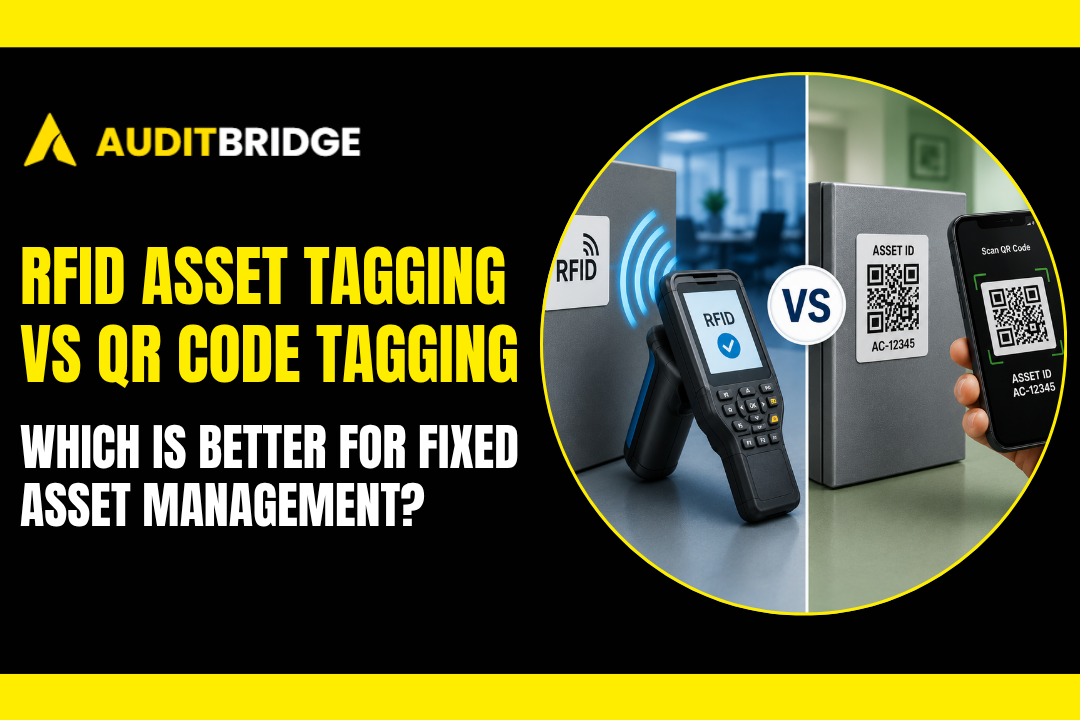
- Manual vs Barcode vs RFID Verification
- Role of Technology in Inventory Audit
- How to Choose Inventory Verification Company in India
- Documents Required for Inventory Verification
- Inventory Verification Best Practices
- FAQ – People Also Ask
- FAQ Schema Markup
- Conclusion
What is Inventory Verification?
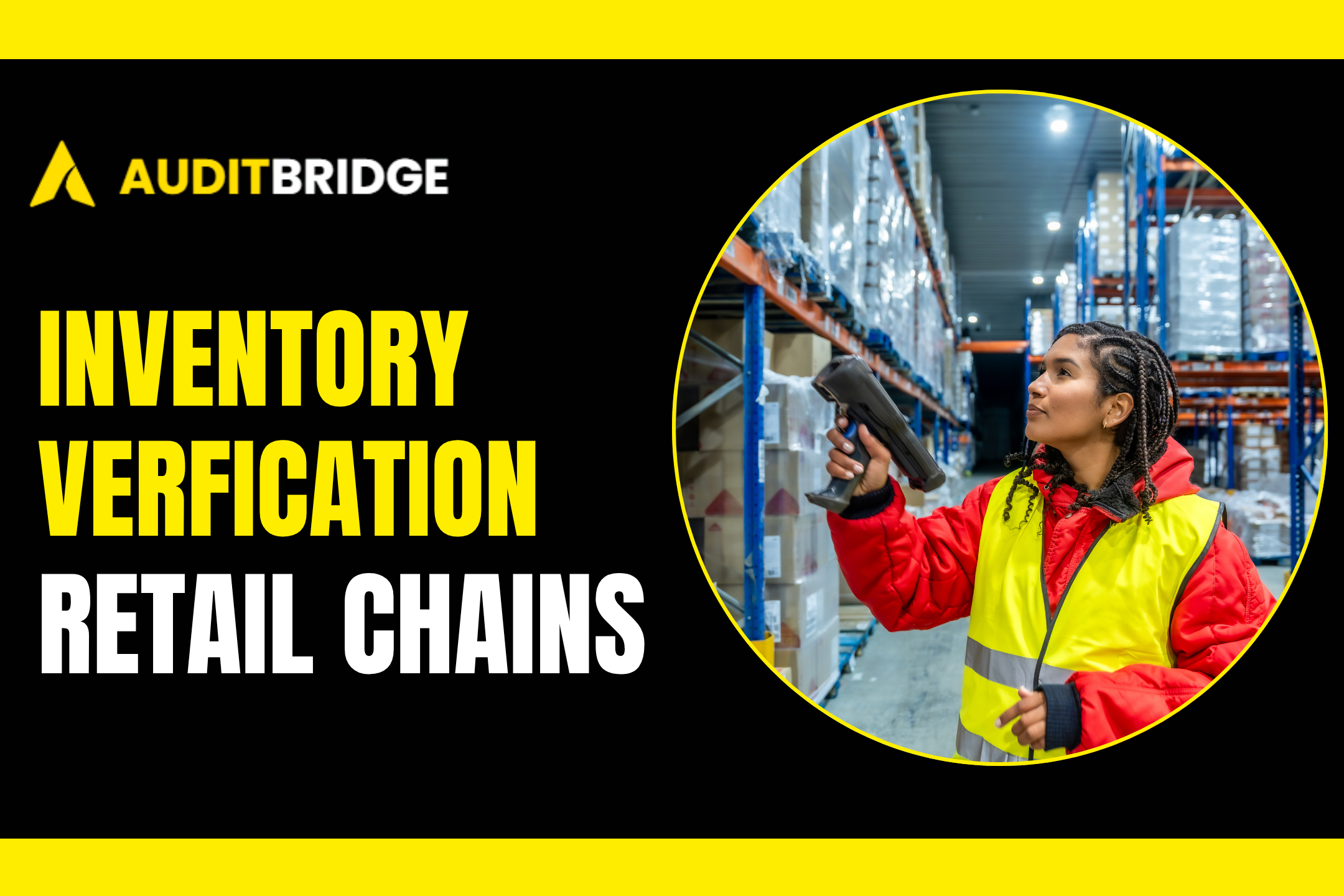
Inventory verification is a physical process of checking and validating stock available in warehouses, factories, stores, and business locations with accounting records or ERP systems.
The purpose is to confirm that the actual inventory quantity matches the book records and identify any excess, shortage, obsolete, damaged, or missing stock.
Usually, inventory verification includes:
- Physical stock counting
- Barcode scanning
- RFID-based verification
- SKU matching
- Batch verification
- Warehouse mapping
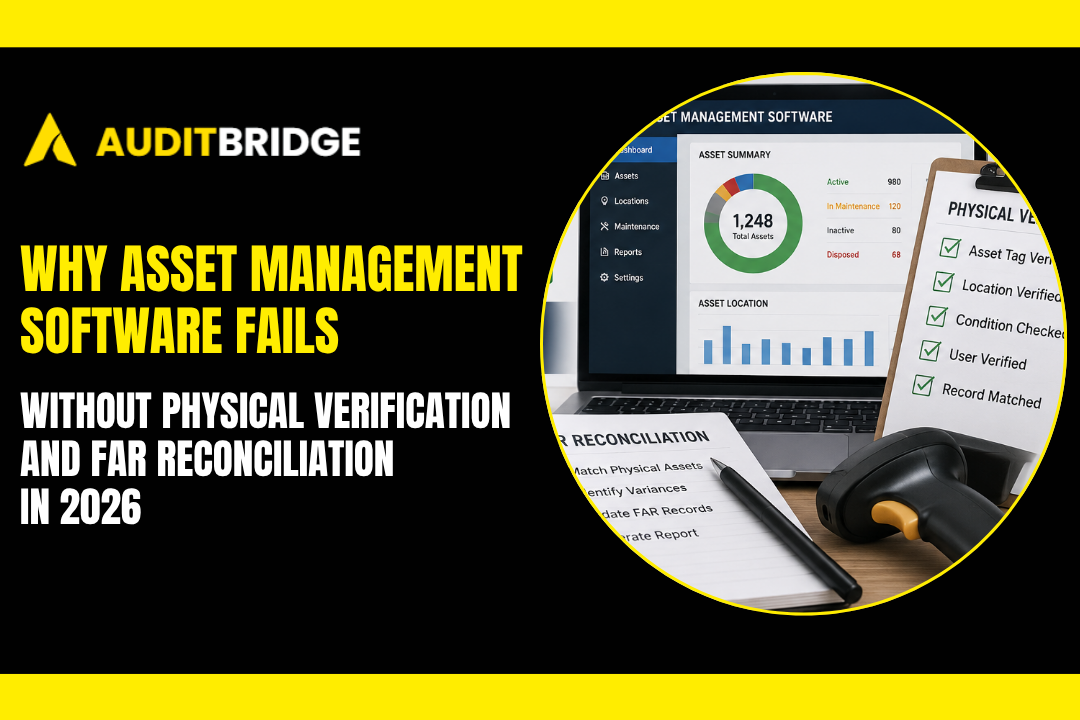
- Reconciliation with ERP/FAR systems
Why Inventory Verification is Important in 2026
In 2026, businesses are handling larger inventories across multiple warehouses and online channels. Due to rapid expansion, errors in inventory management are increasing.
Inventory verification helps businesses:
| Business Issue | Verification Benefit |
|---|---|
| Stock mismatch | Accurate inventory records |
| Theft or pilferage | Better control and accountability |
| Dead inventory | Identification of non-moving stock |
| Audit objections | Strong audit documentation |
| ERP inaccuracies | Real-time reconciliation |
| GST compliance issues | Proper stock reporting |
Companies today also require inventory verification for:
- Bank stock audits
- Insurance claims
- Due diligence
- Mergers & acquisitions
- IPO preparation
- Internal audits
Types of Inventory Verification Services in India
1. Physical Inventory Verification
This involves manual or technology-assisted counting of inventory physically available at the location.
Best for:
- Warehouses
- Retail stores
- Manufacturing units
2. Barcode-Based Inventory Verification
Barcode scanners are used to verify stock quickly and reduce manual errors.
Benefits:
- Faster counting
- Better accuracy
- Real-time reporting
3. RFID Inventory Verification
RFID technology helps in automated inventory tracking without direct scanning.
Suitable for:
- Large warehouses
- High-value inventory
- Multi-location businesses
4. Cycle Count Verification
Instead of yearly stock counts, businesses verify inventory periodically in cycles.
Good for:
- Ecommerce companies
- Retail chains
- FMCG businesses
5. Third-Party Inventory Audit
Independent inventory verification agencies perform stock audits and reconciliation.
This improves:
- Transparency
- Trustworthiness
- Internal control systems
Inventory Verification Process
Step 1 – Planning & Scope Definition
The verification team first understands:
- Inventory categories
- Warehouse locations
- ERP system
- Stock movement process
Step 2 – Stock Segregation
Inventory is categorized into:
- Raw materials
- Finished goods
- Consumables
- Damaged stock
- Non-moving inventory
Step 3 – Physical Counting
Physical verification is done using:
- Manual counting
- Barcode scanners
- RFID devices
- Mobile inventory software
Step 4 – Reconciliation
Physical stock is matched with:
- ERP records
- Inventory registers
- Accounting books
Differences are identified and reported.
Step 5 – Final Reporting
The company receives a detailed inventory verification report including:
- Variance analysis
- Shortages/excess stock
- Damaged inventory
- Recommendations
Industries That Need Inventory Verification Services
Almost every industry handling inventory should conduct periodic stock verification.
Major Industries Include:
- Manufacturing companies
- Retail businesses
- Ecommerce companies
- Automobile industry
- Pharmaceutical companies
- Hospitals
- FMCG companies
- Logistics businesses
- Textile industry
- Electronics businesses
11 Powerful Benefits of Inventory Verification Services
1. Improves Inventory Accuracy
Businesses get correct inventory data for better decision-making.
2. Reduces Financial Losses
Verification identifies theft, wastage, and missing inventory.
3. Better Audit Compliance
Proper inventory records support:
- Statutory audits
- Tax audits
- GST audits
- Internal audits
4. Identifies Dead Stock
Companies can easily identify slow-moving and obsolete inventory.
5. Improves Warehouse Efficiency
Well-organized inventory improves storage management and dispatch speed.
6. Enhances ERP Accuracy
Inventory verification helps clean incorrect ERP entries.
7. Better Financial Reporting
Accurate stock valuation improves balance sheet accuracy.
8. Supports Insurance Claims
Verified inventory records help during fire, theft, or damage claims.
9. Strengthens Internal Controls
Verification reduces fraud and improves accountability.
10. Better Demand Planning
Correct stock records help businesses forecast inventory requirements.
11. Improves Customer Satisfaction
Accurate inventory means fewer stock-outs and delayed deliveries.
Common Inventory Problems Found During Verification
During inventory audits, businesses commonly face:
| Common Problem | Impact |
|---|---|
| Negative stock | Wrong reporting |
| Duplicate SKU | ERP confusion |
| Missing inventory | Financial losses |
| Expired stock | Business loss |
| Wrong unit entries | Valuation issues |
| Unrecorded stock | Audit qualification |
Inventory Verification Checklist (2026)
Before Verification
Documents Required:
- Stock register
- SKU list
- ERP inventory report
- Warehouse layout
- Purchase records
During Verification
Checklist:
- Verify barcode labels
- Check damaged stock
- Match batch numbers
- Separate expired inventory
- Count high-value inventory separately
After Verification
Review Points:
- Variance analysis
- Stock reconciliation
- Adjustment entries
- Final reporting approval
Manual vs Barcode vs RFID Inventory Verification
| Method | Accuracy | Speed | Cost |
|---|---|---|---|
| Manual Counting | Medium | Slow | Low |
| Barcode Verification | High | Fast | Medium |
| RFID Verification | Very High | Very Fast | High |
Role of Technology in Inventory Verification
Technology has transformed inventory verification services in India.
Modern Inventory Verification Tools
- Barcode scanners
- RFID systems
- Mobile audit apps
- Cloud inventory software
- AI-powered analytics
- GPS warehouse mapping
Technology helps reduce human errors and improves reporting speed.
How to Choose Inventory Verification Company in India
Selecting the right inventory verification agency is important.
Key Factors to Check
Experience
Choose companies with industry-specific experience.
Technology Usage
Look for barcode and RFID capabilities.
Reporting Quality
Reports should be detailed and actionable.
PAN India Presence
Important for multi-location verification.
Audit Expertise
Companies with CA and audit experience provide better insights.
Documents Required for Inventory Verification
Businesses generally need:
- Inventory register
- ERP reports
- Stock movement reports
- Purchase invoices
- Warehouse mapping
- SKU master data
- Batch details
Inventory Verification Best Practices
Recommended Best Practices for Businesses
- Conduct quarterly verification
- Use barcode systems
- Maintain SKU discipline
- Train warehouse staff
- Separate damaged inventory
- Automate inventory tracking
- Perform surprise audits
Inventory Verification Process

FAQ – People Also Ask
What is inventory verification service?
Inventory verification service is a process of physically checking stock available at business locations and matching it with accounting or ERP records to identify discrepancies.
Why is inventory verification important?
Inventory verification helps businesses improve stock accuracy, reduce losses, strengthen internal controls, and support audit compliance.
How often should inventory verification be done?
Most businesses should conduct inventory verification quarterly or annually depending on inventory size, business type, and risk exposure.
What is the difference between stock audit and inventory verification?
Inventory verification mainly focuses on physical stock checking, while stock audit includes valuation, compliance review, and financial analysis.
Which industries need inventory verification services?
Industries like manufacturing, retail, ecommerce, pharma, FMCG, logistics, and automobile sectors require regular inventory verification.
What are the methods used in inventory verification?
Common methods include:
- Manual counting
- Barcode scanning
- RFID verification
- Cycle counting
- ERP reconciliation
Conclusion
Inventory verification is no longer just an annual compliance activity. In 2026, it has become an important business control mechanism for companies across India.
Businesses that perform regular inventory verification experience:
- Better inventory accuracy
- Lower financial losses
- Improved audit readiness
- Stronger operational controls
- Better decision-making
Whether you are a manufacturing company, ecommerce seller, retailer, or warehouse operator, investing in professional Inventory Verification Services in India can significantly improve your inventory management and financial reliability.